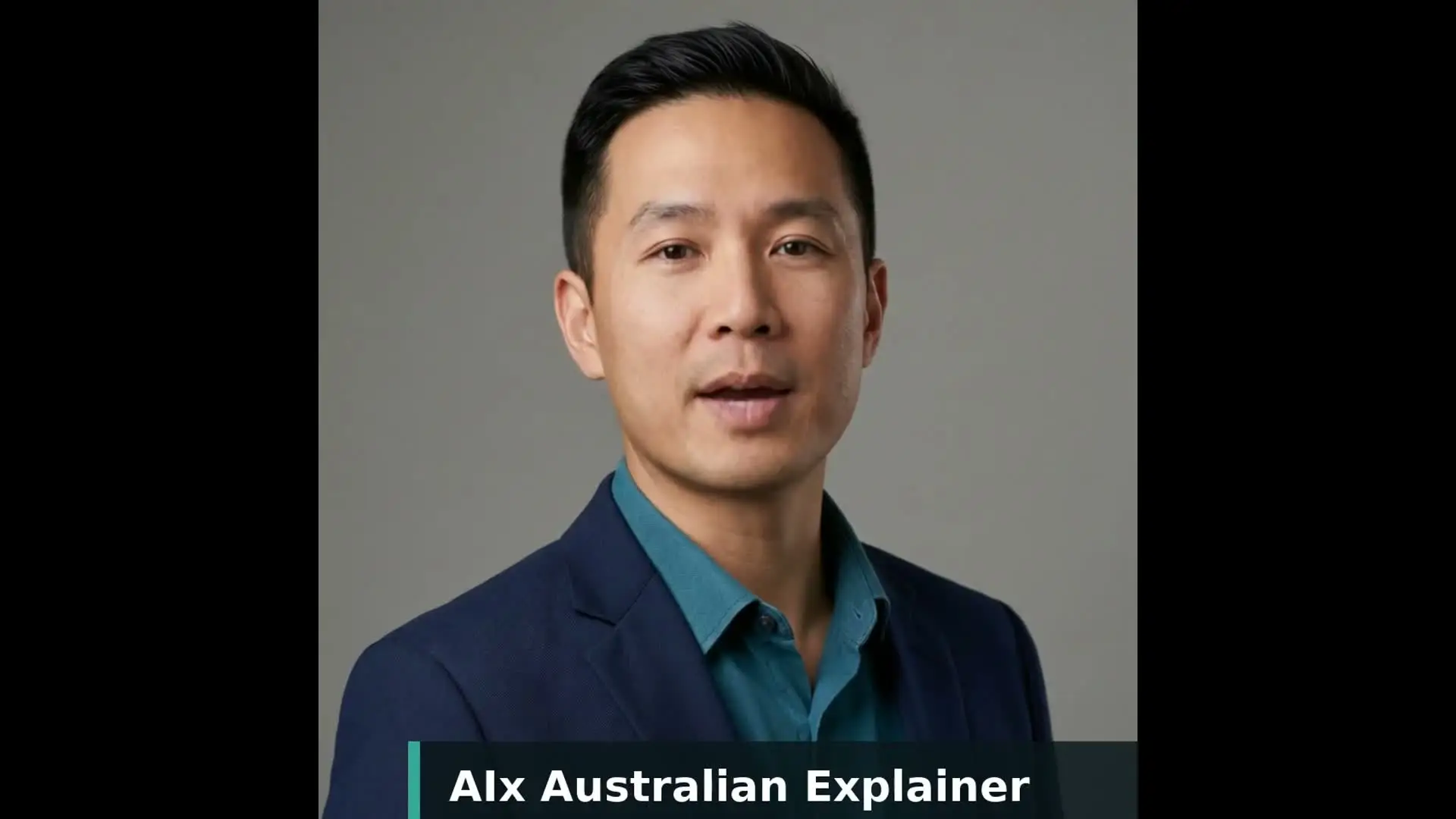
Watch talking-head introduction video that establishes why critical thinking matters when using AI for consequential workplace decisions
Complete the focused task: Watch talking-head introduction video that establishes why critical thinking matters when using AI for consequential workplace decisions.
Script
You are making consequential decisions with help from a machine that sounds certain.
That certainty is the problem.
Generative artificial intelligence, or AI, produces confident, well-structured responses. It will answer legal questions, draft policy, recommend investments, evaluate candidates, and assess risks. The output looks authoritative. It is not. It is prediction, not verification.
This course is for professionals who use AI as an input to decisions that affect people, budgets, operations, or compliance. You are not an engineer. You do not need to build models. You need to judge what models give you.
Critical thinking is that judgment applied under pressure.
Here is the pattern we will address. You receive an AI response that contains claims, evidence, reasoning, and a recommendation. The claims feel credible because they match what you expected. The evidence looks sufficient because it is detailed. The recommendation seems sound because the AI states it with confidence.
But confidence is not correctness.
The risk is not that AI gives you random wrong answers. The risk is that it gives you plausible wrong answers that you act on because you are busy, because the stakes feel manageable in the moment, or because the alternative is doing more work yourself.
Across finance, human resources, technology, and adjacent sectors, professionals are delegating judgment to systems that have no accountability and no access to your context. When those decisions fail, the failure is yours.
This course gives you three practical habits.
Pause and inspect what the AI actually claims versus what it merely implies.
Test the reasoning that connects evidence to conclusion, and check whether that evidence would survive scrutiny from a colleague or regulator.
Decide and explain what you accept, what you reject, and why, in terms another person can challenge and verify.
Each lesson builds a skill. Each lesson includes practice scenarios where you make calls and receive feedback. The goal is not scepticism for its own sake. The goal is justified confidence: the ability to stand behind a decision because you have verified its basis, not because a tool told you to.
You will finish this course able to evaluate AI-generated claims in consequential workplace scenarios, distinguish well-reasoned evidence from unsupported assertions, and explain your reasoning in terms a manager or teammate could scrutinise.
That is the standard we are setting. Let us begin.
Apply this idea: Watch talking-head introduction video that establishes why critical thinking matters when using AI for consequential workplace decisions