AIx
We help people and organisations design how they work with AI.
People now share real work with AI and agents. An agent can take steps on a task. It does more than give an answer. Someone on the team still has the final say.
The same tools can leave two organisations in very different places. The software is rarely the reason. The reason is how people, AI, and agents are set up to work together.
We exist to design that working relationship with purpose.
Ask the better question.
Where does AI fit? What value should it create? What must you decide before an agent acts?
Your answer depends on your work, your responsibility, and what is at stake.
Businesses
Where can AI help with real work?
You need a useful place to start. The people who know the business still decide what good looks like.
Councils
Who decides when AI affects the public?
You need clear responsibility for the decision, the result, and when a person must step in.
Individuals
What should I understand before I depend on AI?
You need a plain way to learn what AI and agents can do, where they fail, and where your judgement matters.
Take the next step that fits your question.
Each path takes the question into a workshop, model, or seminar.
For businesses
Better Work with AI
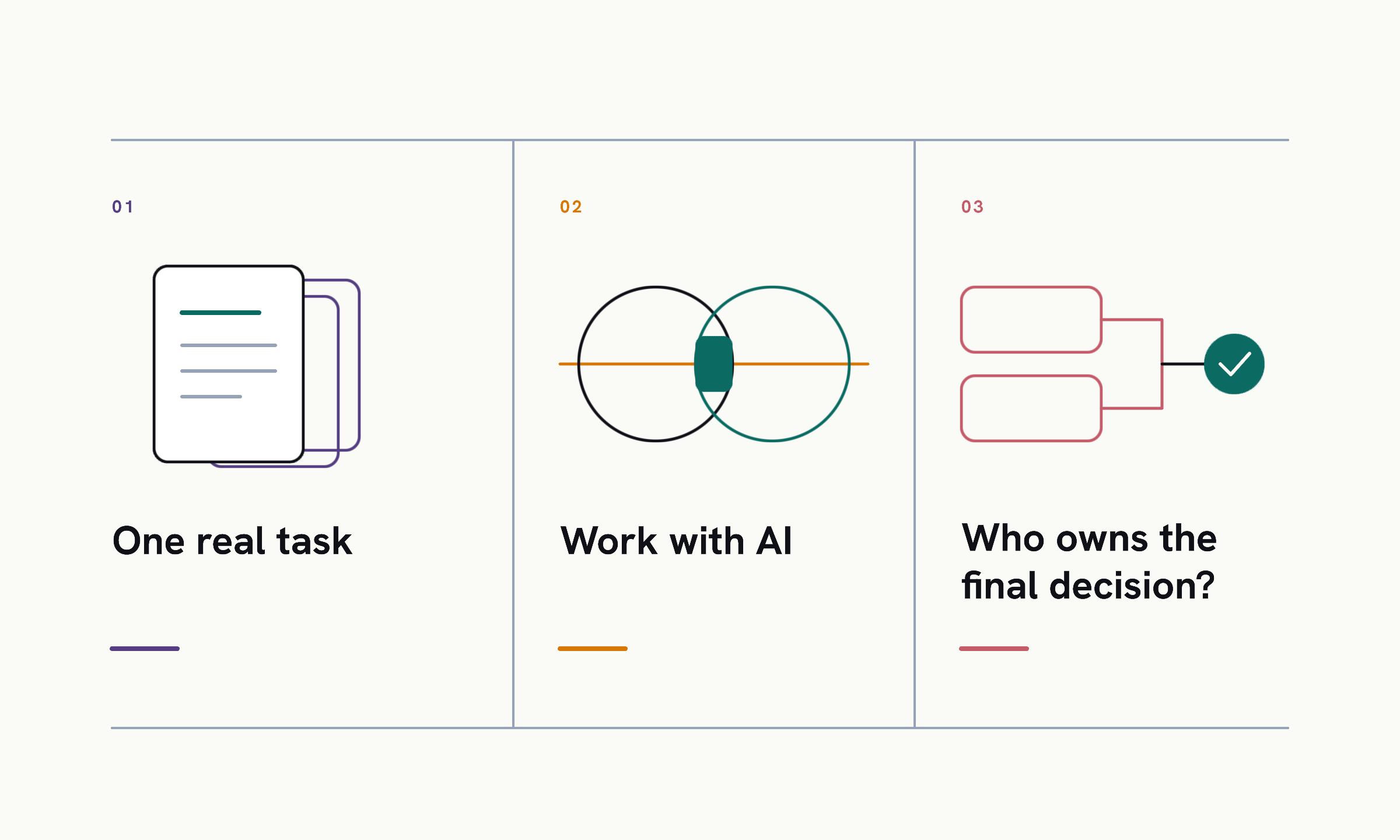
Bring one real task from your organisation. Work on it with AI. Leave with a useful way to use AI on that task while you stay in charge of the result.
For councils
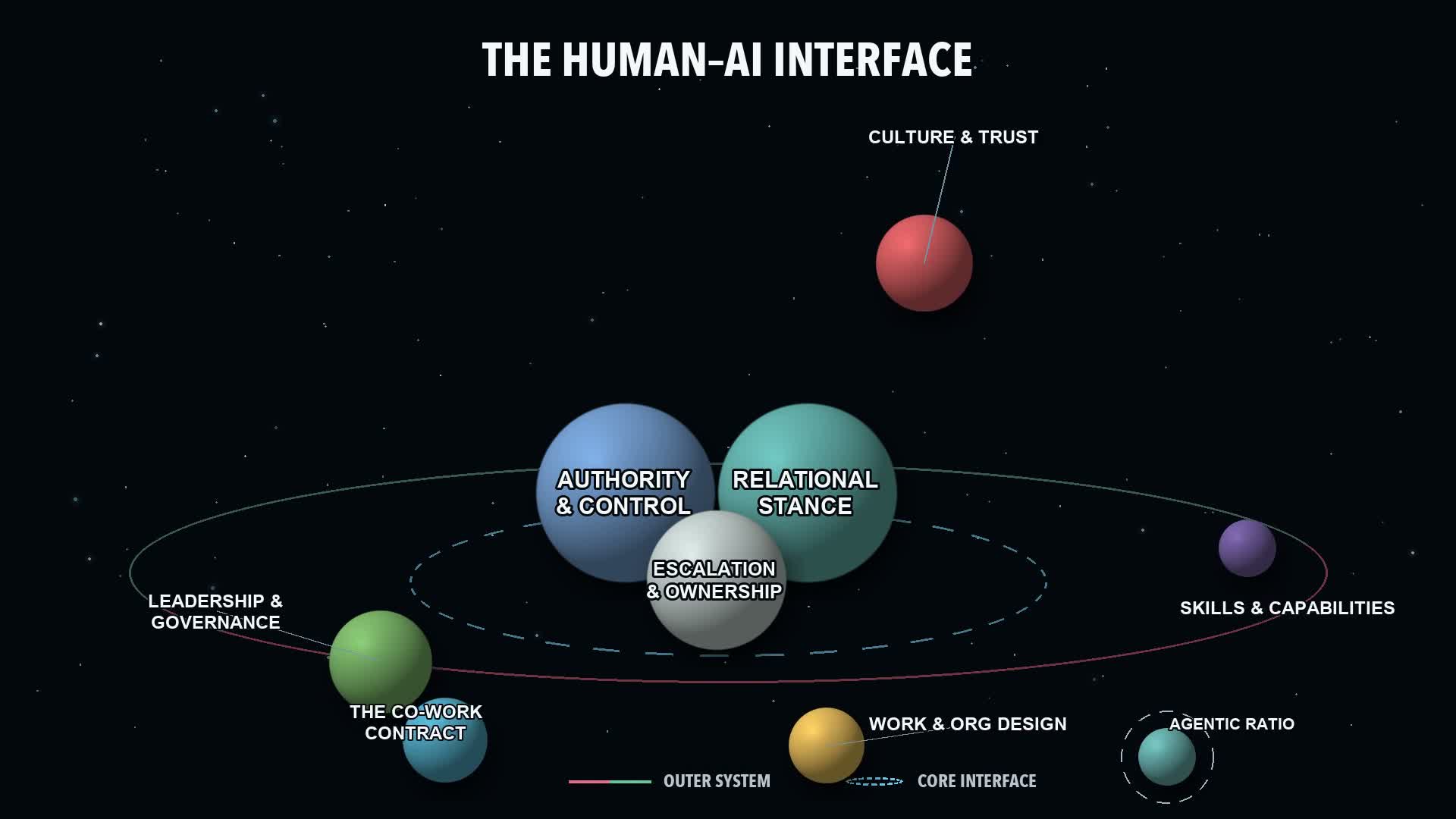
The Human-AI Interface
Use a practical framework to examine who has the final say, how people relate to an AI agent, and who owns the result.
For individuals
Open seminars
Bring your questions about AI and agents. Learn with other people. Decide what belongs in your work or life.
AI workshops should do more than explain the tools.
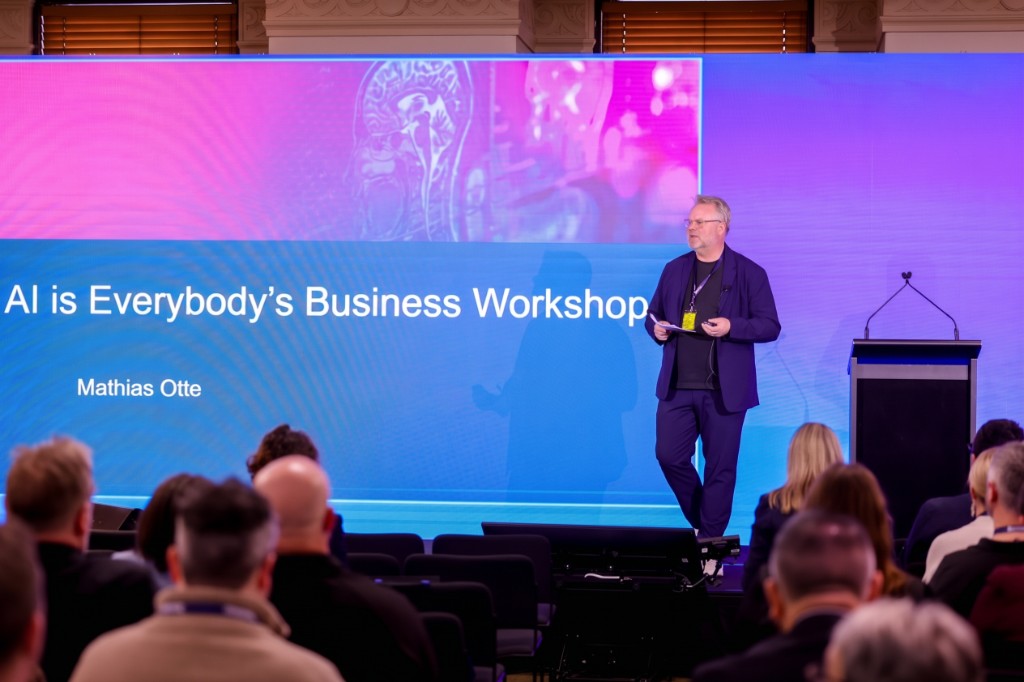
Across three LG Innovate summits, Mathias Otte has examined what leaders need when AI becomes part of real work.
LG Innovate · 2024 to 2026
Three years of questions about AI, work and responsibility.
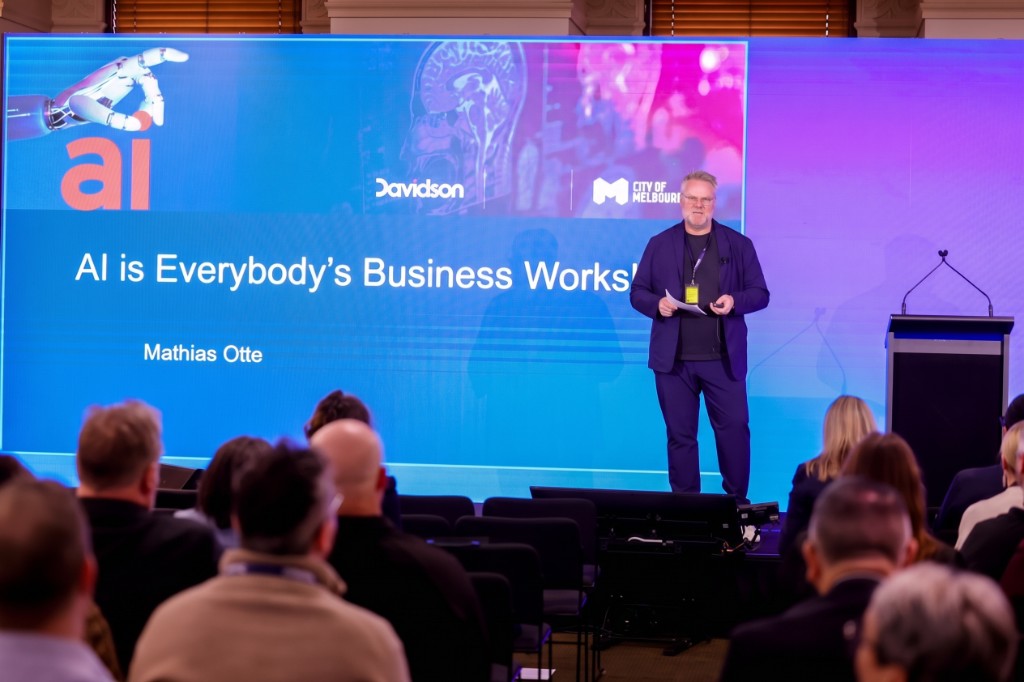
LG Innovate 2024 · Navigating the GenAI Revolution
Start with the work, not the AI tool.
Map which tasks people will keep, share with AI or stop doing. Then decide how skills and roles need to change.
Task One
Kept by people
Human judgement remains
Task Two
Shared with AI
AI assists the task
Task Three
Stopped
No longer done
Task Four
Role redesigned
Skills and role must change
Marks show where judgement stays with people, where AI assists, and where a role changes.
LG Innovate 2025 · AI is Everybody’s Business
Three Dimensions of AI Implementation
Ethical AI
Ensuring Value Alignment
Humanistic AI
Putting Humans at the Centre
Responsible AI
Managing Risk and Compliance
LG Innovate 2025 · AI is Everybody’s Business
Why the three dimensions matter
Humanistic AI
Purpose
Enhances and augments human capabilities rather than replacing them
Focus
Preserves human dignity and agency in AI systems
Ethical AI
Purpose
Align AI systems with moral principles and societal values
Focus
Fairness, accountability, and transparency in AI decisions
Responsible AI
Purpose
Ensures safe, reliable, and compliant AI systems
Focus
Privacy protection, security, and regulatory compliance
LG Innovate 2026 · The Human-AI Interface
Agentic AI creates a new working relationship.
Organisations are adding agents that can act across real work. There is no settled organisational blueprint for this form of co-work. The Human-AI Interface helps businesses and councils design the relationship before habit, pressure or software defaults decide it.
A relationship to design
Person
The interface
not yet designed
Agent
One shared field of work
Designed on purpose, not inherited.
The Human-AI Interface · Three core elements
Three elements define the relationship.
Person and agent at work
Relational Stance
What role does the agent hold?
Authority & Control
Who has the final say?
Escalation & Ownership
What happens when they disagree, and who owns the result?
Making these elements explicit can show where a person seems to have control but does not, where responsibility is unclear and where an agent may act without enough direction.
This thinking shapes AIx workshops and seminars.
The topic changes with the people in the room.
Businesses apply AI to one real task. They decide where it fits and keep control of the result.
Councils examine who decides, who is responsible, and how public trust is protected.
Individuals learn what AI and agents can do before they depend on them.
Design the way you work together. Before it designs you.
When a person and an agent work together, someone still has the final say and remains responsible for the result. The organisation also needs to define the agent’s role and what happens when the person and agent disagree or something goes wrong. It can make these choices deliberately or let everyday habits and software settings shape them.
Three core elements make that choice visible:
Who has the final say?
Name who has the final say and how they keep control in daily work.
How should people relate to the agent?
Define the role the agent holds in the work.
Who owns the result?
Set the path for disagreement or failure, and name who owns the outcome.
To explore the full model, visit the Human-AI Interface page, where you can request the paper.
Choose where to go next.
Start with Better Work with AI.
Bring one real task to the workshop. Decide where AI fits while you stay in charge of the result.
Decide how AI belongs in public work.
Explore responsibility, judgement, and public trust.
Learn before you depend on AI.
Find clear explanations, practical seminars, and room to ask questions.